Substrates & Preparation
Treating Contaminated or Oily Substrates Before Screeding
Oil, fuel or chemical contamination in a concrete substrate needs identifying and treating before insulation or a bonded screed goes down, or it will compromise the pour.
Former workshop, garage, agricultural or industrial floors sometimes carry oil, fuel or chemical contamination absorbed into the top of the concrete over years of use. This is a genuinely different problem to dirt or dust — contamination can penetrate below the surface and continue to affect bonding, membrane adhesion or even the screed's cure if not properly addressed.
The right approach depends on how deep the contamination has penetrated and whether the new floor build-up is bonded or floating.
Dealing with a contaminated former workshop or garage floor?
We'll help assess the substrate and recommend a screed build-up that accounts for what's actually in the slab.
Or call our landline on 01392 237700
Establishing how deep the problem goes
Oil and fuel contamination can wick into concrete well below what's visible at the surface, particularly on older, more porous slabs. A trial area of grinding or coring helps establish how far the contamination extends, which then informs whether removal is practical or whether isolating the contamination beneath a suitable membrane is the more realistic route.
Isolating rather than removing
Where contamination is too extensive to remove economically, a floating screed system with a membrane specifically compatible with the contaminant present can isolate the new floor from what's below. This needs checking against the membrane manufacturer's chemical resistance data rather than assuming any generic DPM will do the job — some contaminants degrade standard polythene membranes over time.
Contaminated Substrates — the points that decide it
- Surface contamination visible as staining doesn't necessarily indicate how deep the oil or chemical has penetrated into the concrete
- Testing or trial grinding can help establish contamination depth before deciding on a removal strategy
- Contaminated concrete may need mechanical removal (grinding, scabbling) down to sound, unaffected material for a bonded finish
- A floating screed over a suitable separating membrane can sometimes isolate the new floor from residual contamination, provided the membrane is compatible with the specific contaminant
- Some contaminants can affect the cure or adhesion of primers and membranes, so identifying what caused the contamination matters, not just that it's present
- Disposal of contaminated arisings from grinding or scabbling may need to follow specific waste regulations rather than standard construction waste routes
Contaminated Substrates — your questions
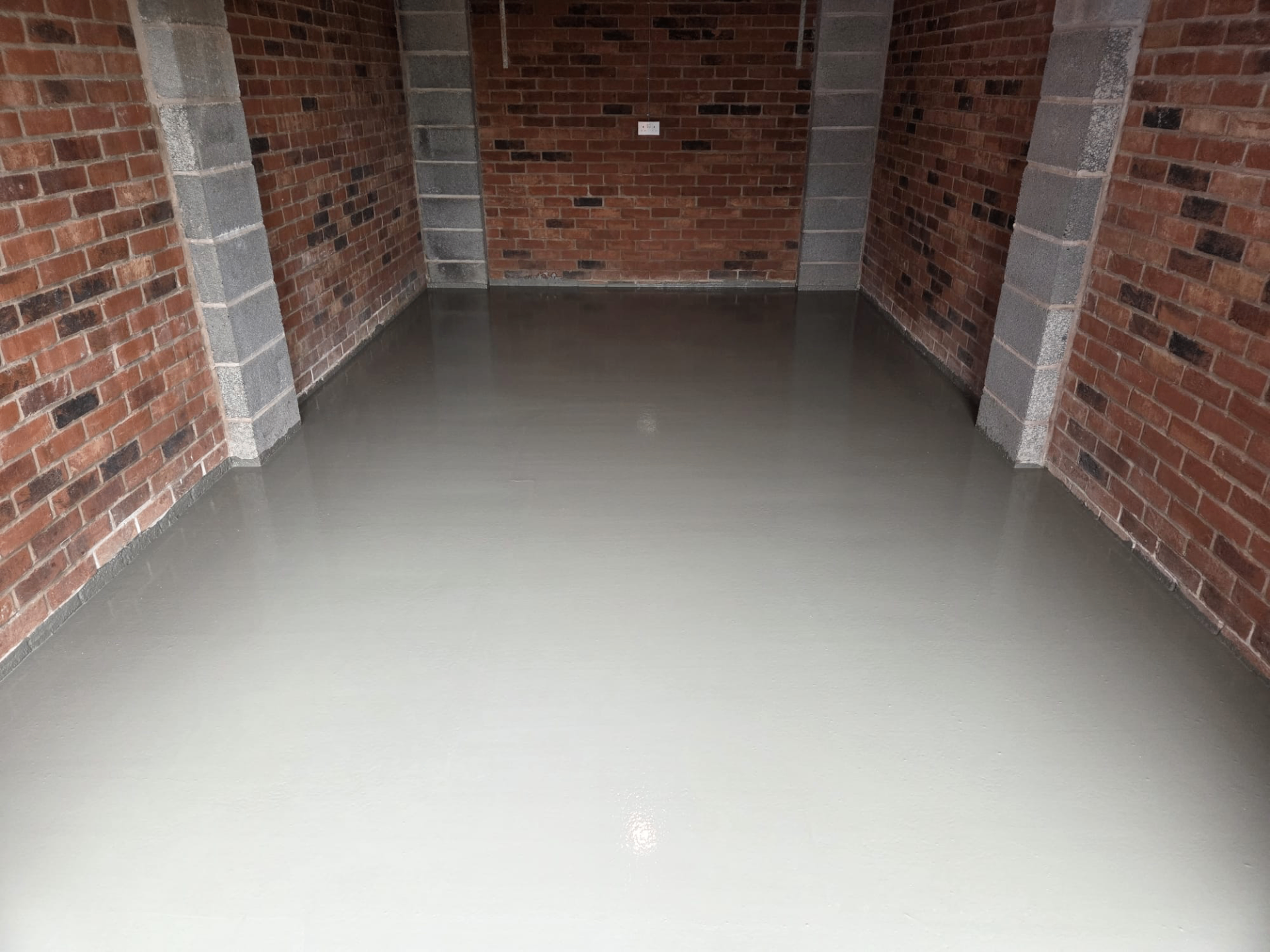
In short
Oil, fuel or chemical contamination in a concrete substrate needs identifying and treating before insulation or a bonded screed goes down, or it will compromise the pour.
Dealing with a contaminated former workshop or garage floor?
We'll help assess the substrate and recommend a screed build-up that accounts for what's actually in the slab.