
Depth options compared
Thin Screed vs Standard-Depth Screed
Modern liquid screeds can be pumped thinner than traditional sand-and-cement ever could — but thinner isn't automatically better for every floor.
Get your floor-build-up assessed
Name, phone, email — we'll reply the same working day with a fixed price.
Or call our landline on 01392 237700
One of liquid screed's genuine advantages over sand-and-cement is that it can go down thinner — sometimes as little as 15mm unbonded over insulation, versus 65–75mm needed for a traditional mix over UFH. That opens up renovations where floor build-up height is tight.
But 'can go thin' and 'should go thin' aren't the same question. Depth affects thermal mass, strength, and how forgiving the floor is of point loads and future refurbishment.
This page sets out realistic minimum depths, where a thin pour makes sense, and where we'd push back and recommend standard depth instead.
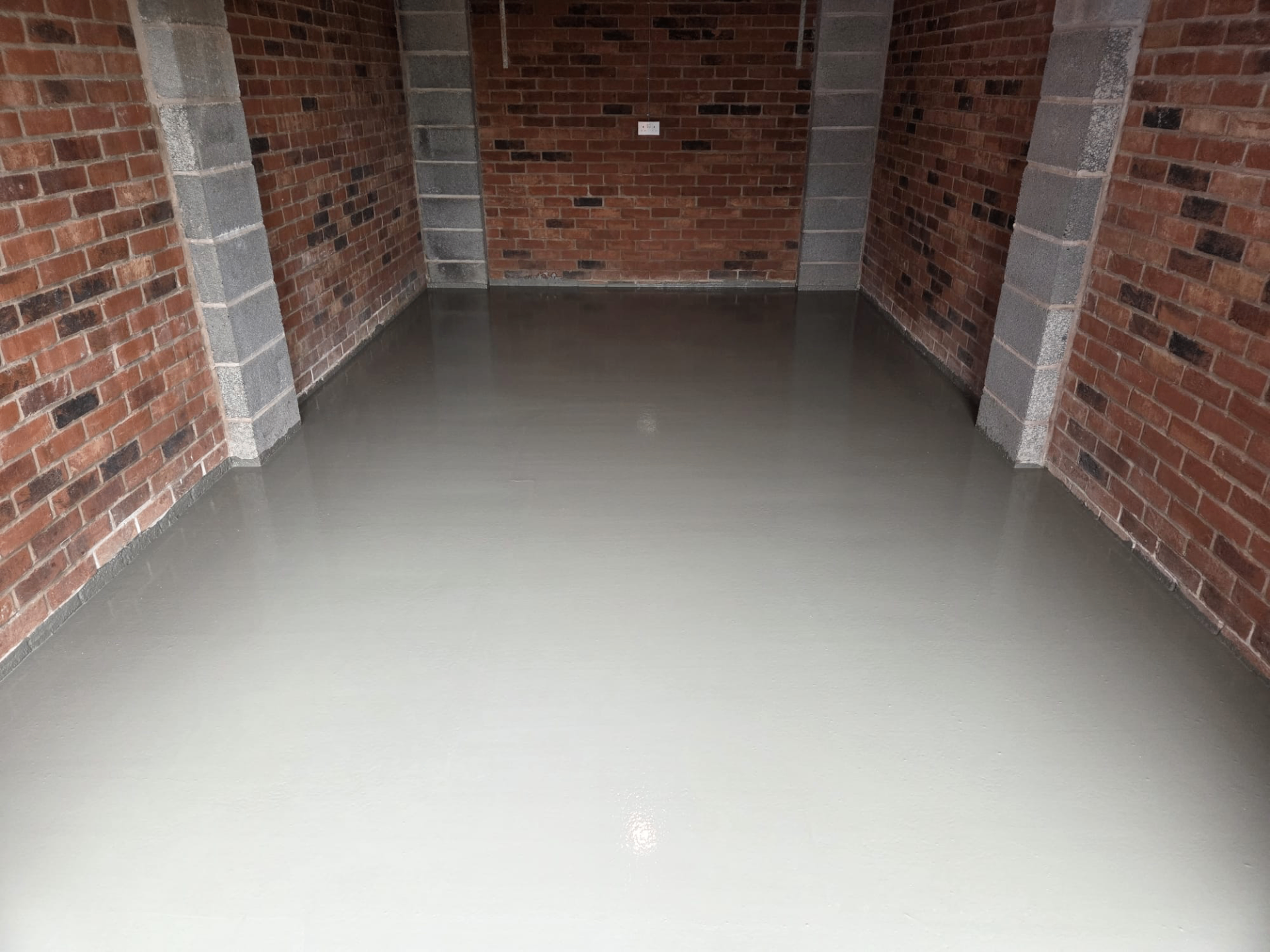
Depth vs outcome
| Depth | What you get |
|---|---|
| 15–20mm unbonded over UFH | Minimal build-up rise; needs a rated insulation board and careful fall-height detailing |
| 30–40mm bonded/unbonded | Standard domestic UFH cover, good balance of thermal response and strength |
| 50–75mm floating | Higher thermal mass, more forgiving of minor sub-floor imperfections |
| 75mm+ | Rare outside heavy commercial or slow-release storage-heating systems |
When thin screed is the right choice
- Renovation with a fixed finished-floor-level and no room to raise it
- Retrofitting UFH into an existing property without lifting door thresholds
- Loft or first-floor pours where dead load must be kept low
When standard depth is the safer spec
- New build with no floor-height constraint
- Sub-base or insulation with any variability in level
- Rooms with heavy point loads — kitchen islands, safes, catering kit
- Where thermal mass and heat storage from UFH matters to running costs
Get your floor-build-up assessed
Send us your existing floor levels and target finish height and we'll confirm the minimum viable screed depth for your project.
Or call our landline on 01392 237700
Thin screed wins when floor height is the constraint that can't move. Standard depth wins whenever the sub-base is anything less than perfectly consistent, or the room will see real point loads. We measure levels on survey before quoting either.
— Exeter Liquid Screeders
Thin Screed vs Standard Depth — questions we get asked
Keep reading across the site
Get your floor-build-up assessed
Send us your existing floor levels and target finish height and we'll confirm the minimum viable screed depth for your project.