Building type: GP & dental clinics
Floor performance requirements in GP and dental clinics
GP and dental clinics need hygienic, joint-minimised floors that support fixed equipment loads, with refurbishment usually squeezed into short closure periods.
Refurbishing a GP or dental practice floor?
Talk to us about phasing the works room by room around your opening hours.
Or call our landline on 01392 237700
Clinical floors in GP surgeries and dental practices need to support infection control routines, meaning the final finish is usually a continuous, welded sheet material that relies on a flat, well-prepared screed base beneath it.
Because these are usually small, operationally continuous premises, refurbishment work is often squeezed into short closure periods, sometimes room by room, rather than a full-building shutdown.
GP & dental clinics — the points that decide it
Hygiene-led final finishes and the screed beneath them
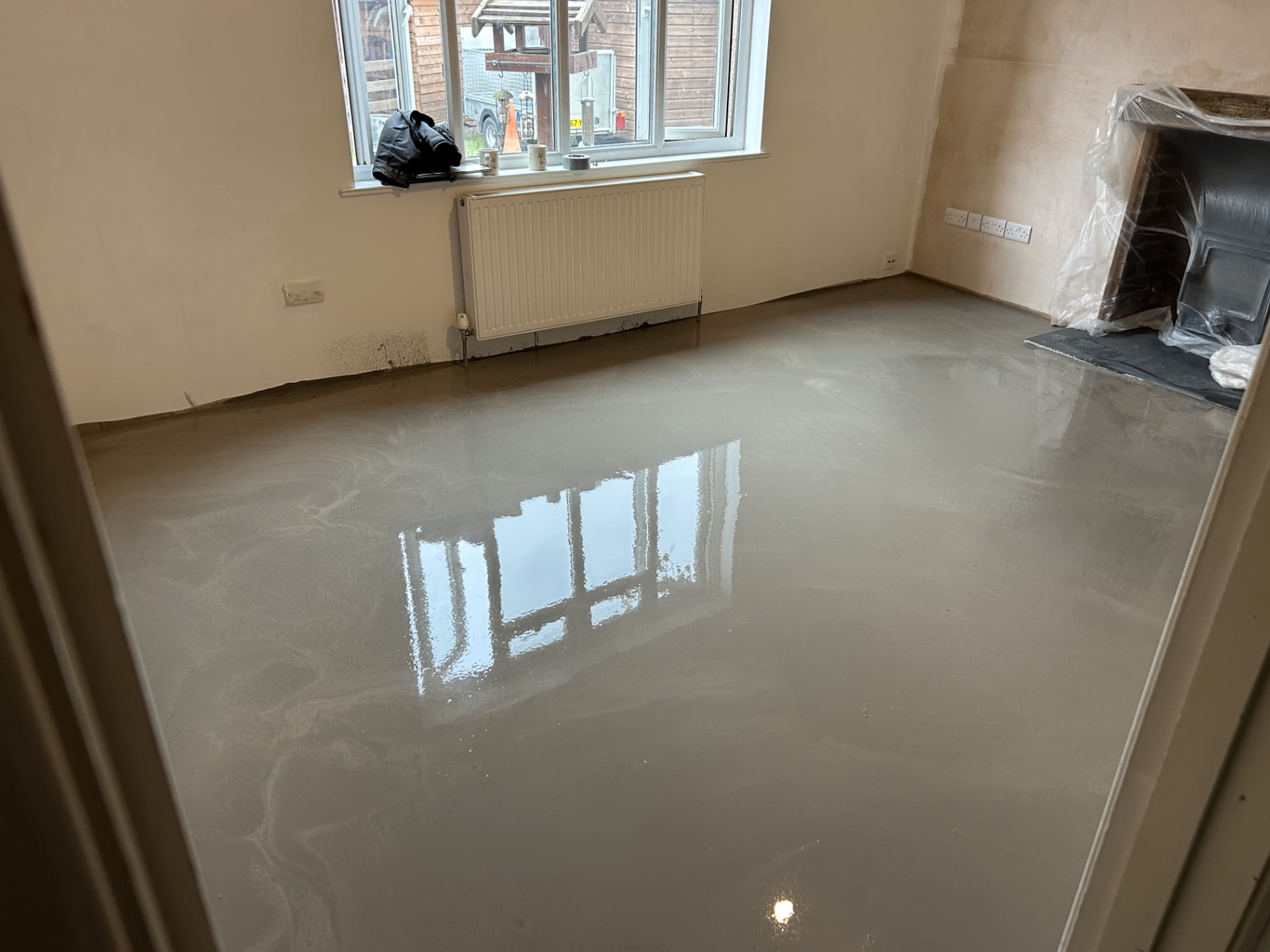
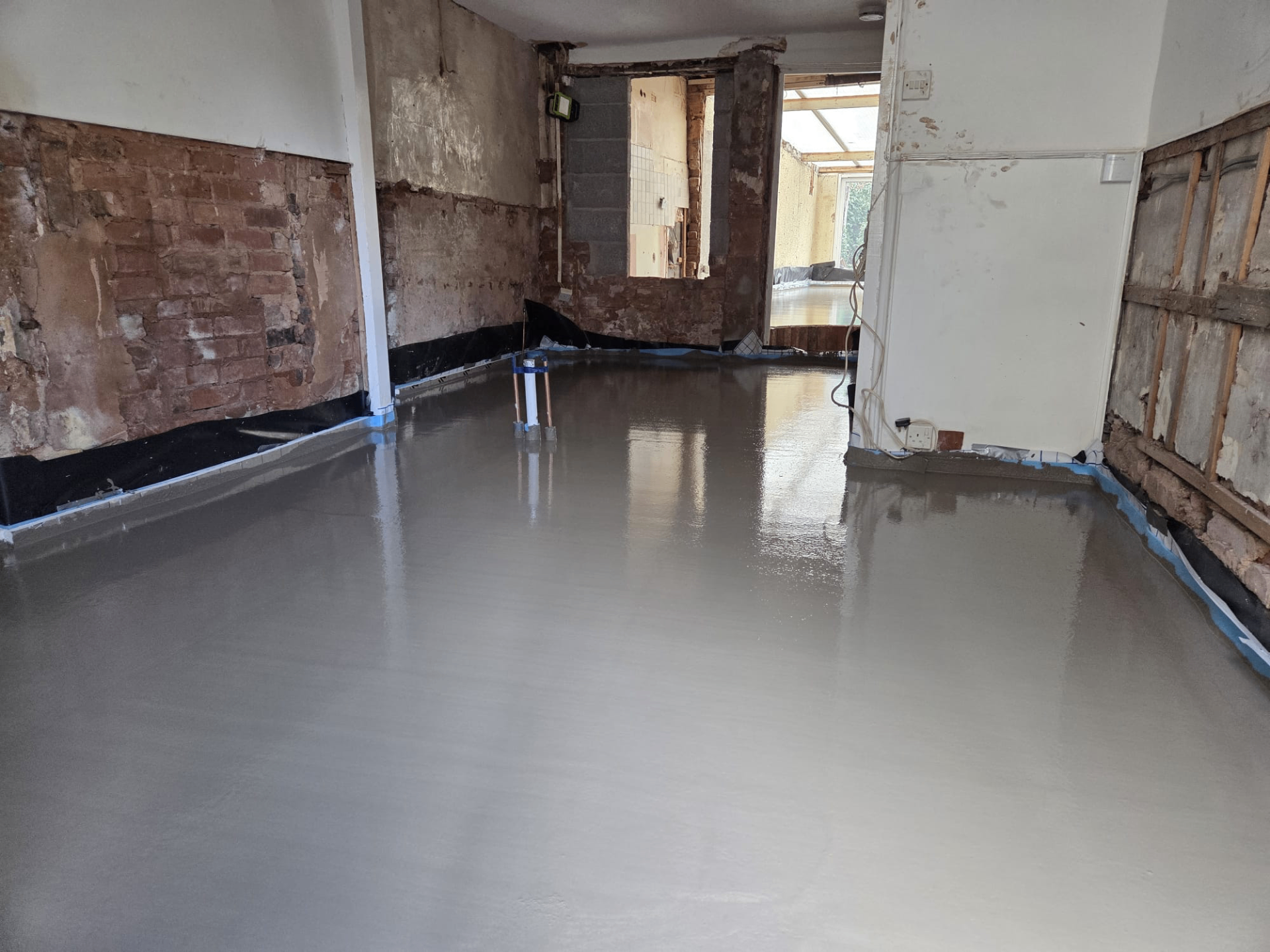
Because clinical flooring is usually a continuous, welded sheet material chosen for infection control, the screed's role is to deliver the flatness and moisture condition that finish needs, since any unevenness or residual moisture can compromise the performance of the covering laid over it.
Phasing works in an operating practice
Where a practice cannot close entirely, works are often planned room by room or surgery by surgery, with drying time for each area factored into how quickly that room can be brought back into use, rather than assuming the whole practice can be treated as a single phase.
GP & dental clinics — your questions
Refurbishing a GP or dental practice floor?
Talk to us about phasing the works room by room around your opening hours.
Or call our landline on 01392 237700
In short
GP and dental clinics need hygienic, joint-minimised floors that support fixed equipment loads, with refurbishment usually squeezed into short closure periods.
Refurbishing a GP or dental practice floor?
Talk to us about phasing the works room by room around your opening hours.