
SR and FM classification
Writing a surface regularity clause for a screed specification
A surface regularity clause should state the SR class required and the covering it needs to suit, since flooring type drives how flat the finish needs to be.
Need an SR clause drafted for your project?
Tell us the intended floor covering and we can help suggest an appropriate surface regularity class.
Or call our landline on 01392 237700
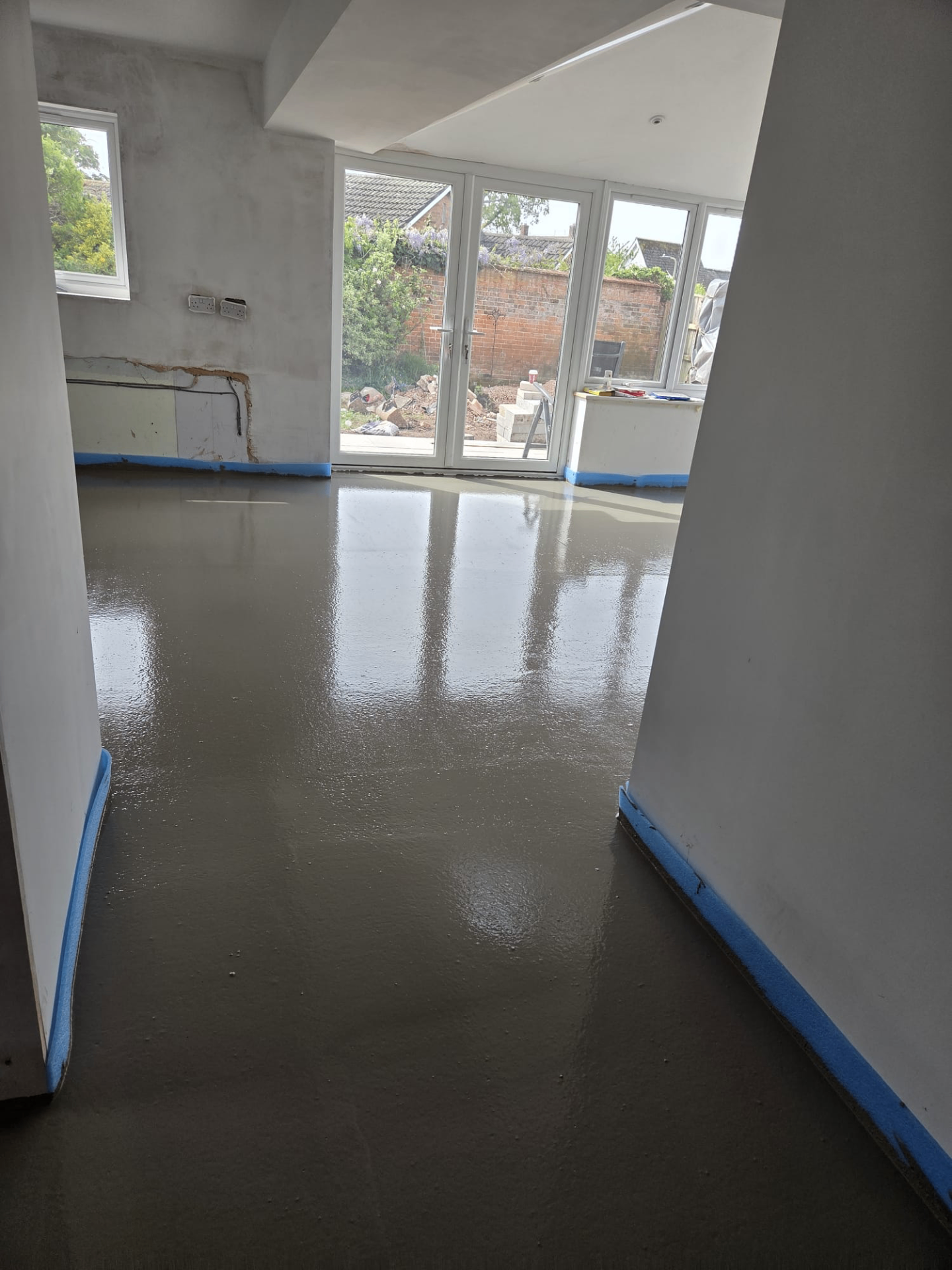
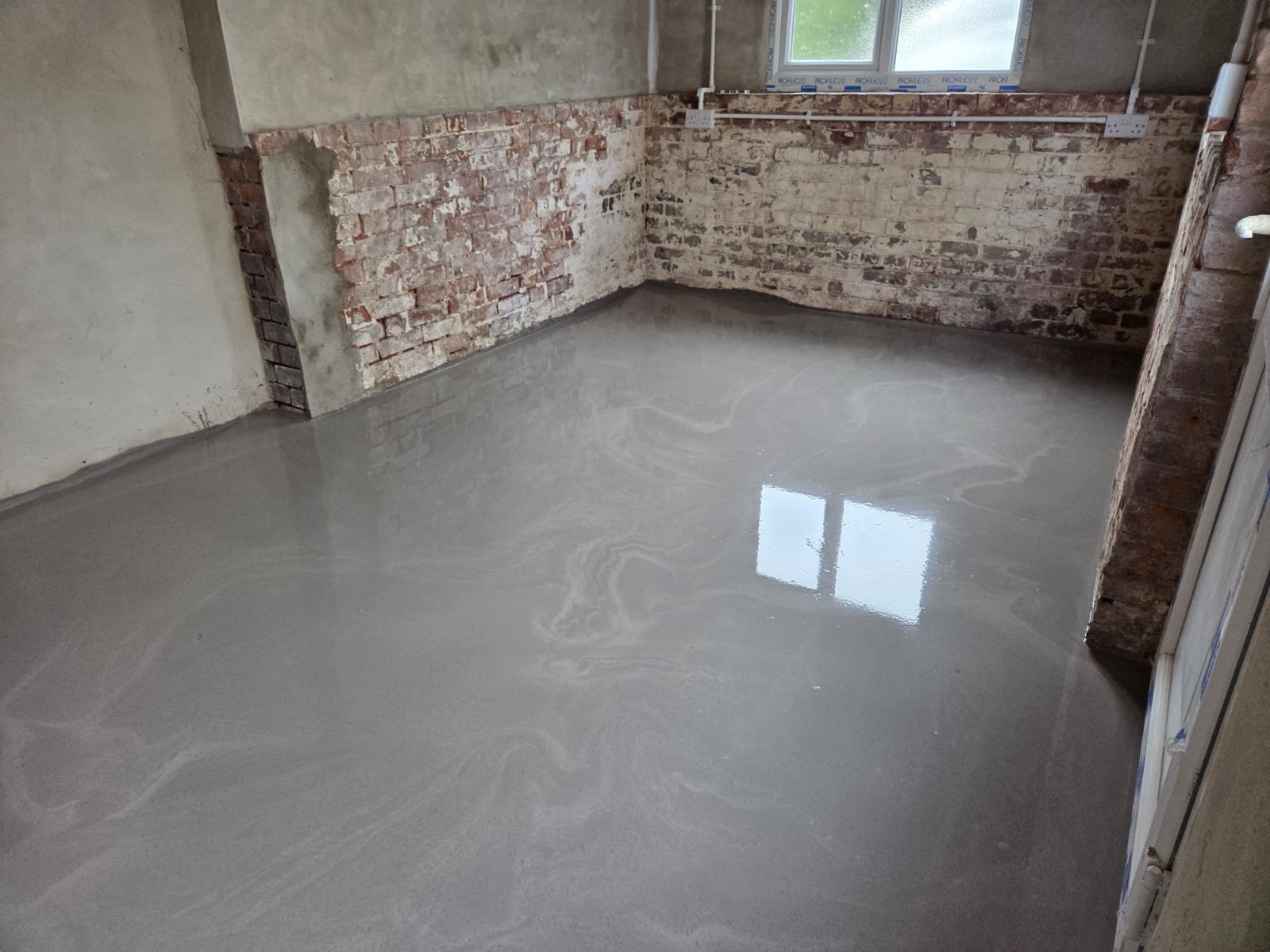
Surface regularity describes how flat a screed finish is, and is normally expressed using SR classifications, with tighter classes needed for coverings that show imperfections readily.
A specification clause is more useful when it states both the SR class and the reason for choosing it, rather than a bare number with no context for site or client.
Because SR classes describe local flatness rather than overall level, quoting one without saying which floor covering it is protecting leaves the installer with a number but no sense of why it matters to the finished job.
Why the covering should drive the class
Specifying SR1 by default regardless of covering adds cost without benefit where a forgiving finish, such as carpet, is planned. Conversely, specifying a looser class beneath large-format porcelain risks visible lippage and a poor finished result. Matching the class to the covering keeps the specification proportionate.
Writing the clause clearly
A workable clause states the required SR class, references the applicable test method, and notes the covering the class is intended to suit, so that everyone reading the document, from the screed installer through to the flooring contractor, understands why the figure has been chosen.
Naming the formulation behind an SR figure
An SR class can be achieved with either binder, but calcium sulfate typically self-levels more readily than a cementitious mix pumped to the same depth.
Where a specific surface finish is wanted, naming it alongside the SR class prevents ambiguity about which aspect of flatness is being measured.
Vapour control and surface finish
The SR class chosen for a floor covering only holds up if moisture from below isn't migrating through an unspecified vapour layer first.
Insulation of limited compressive strength beneath a resin or tiled finish should have its vapour detailing agreed before the finish is chosen.
Surface regularity clauses — the points that decide it
- 1SR1 represents the tightest common tolerance and is typically specified where large-format tiles, resin or similarly unforgiving finishes are planned.
- 2Looser classes may be acceptable under carpet or where a further levelling compound is planned before the final floor covering.
- 3The clause should state the class and the method of measurement expected, referencing the relevant British Standard test method.
- 4Surface regularity is separate from level (datum) tolerance; a floor can be locally flat (good SR) while still being out of level overall.
- 5The specification should note who is responsible for confirming SR compliance and how disputes over borderline results are resolved.
Surface regularity clauses — your questions
Need an SR clause drafted for your project?
Tell us the intended floor covering and we can help suggest an appropriate surface regularity class.
Or call our landline on 01392 237700
In short
A surface regularity clause should state the SR class required and the covering it needs to suit, since flooring type drives how flat the finish needs to be.
Need an SR clause drafted for your project?
Tell us the intended floor covering and we can help suggest an appropriate surface regularity class.