
Repair strategy
Patch Repair vs Full Rescreed: Which Does Your Floor Need?
The cheapest fix isn't always the right one — but the most thorough fix isn't always necessary either. Here's how we actually decide.
Get an honest patch-vs-rescreed recommendation
Name, phone, email — we'll reply the same working day with a fixed price.
Or call our landline on 01392 237700
This is one of the most common questions we get asked on a site visit, and it deserves a straight answer rather than a sales pitch either way. A patch repair costs less and disrupts less, but only works if the failure is genuinely local and the rest of the floor is sound.
A full rescreed costs more and takes longer, but resets the whole floor to a known, tested standard — which matters if the failure is a symptom of something wider than the visible damage.
Below is the framework we actually use on site, followed by the questions worth asking before you commit to either option.
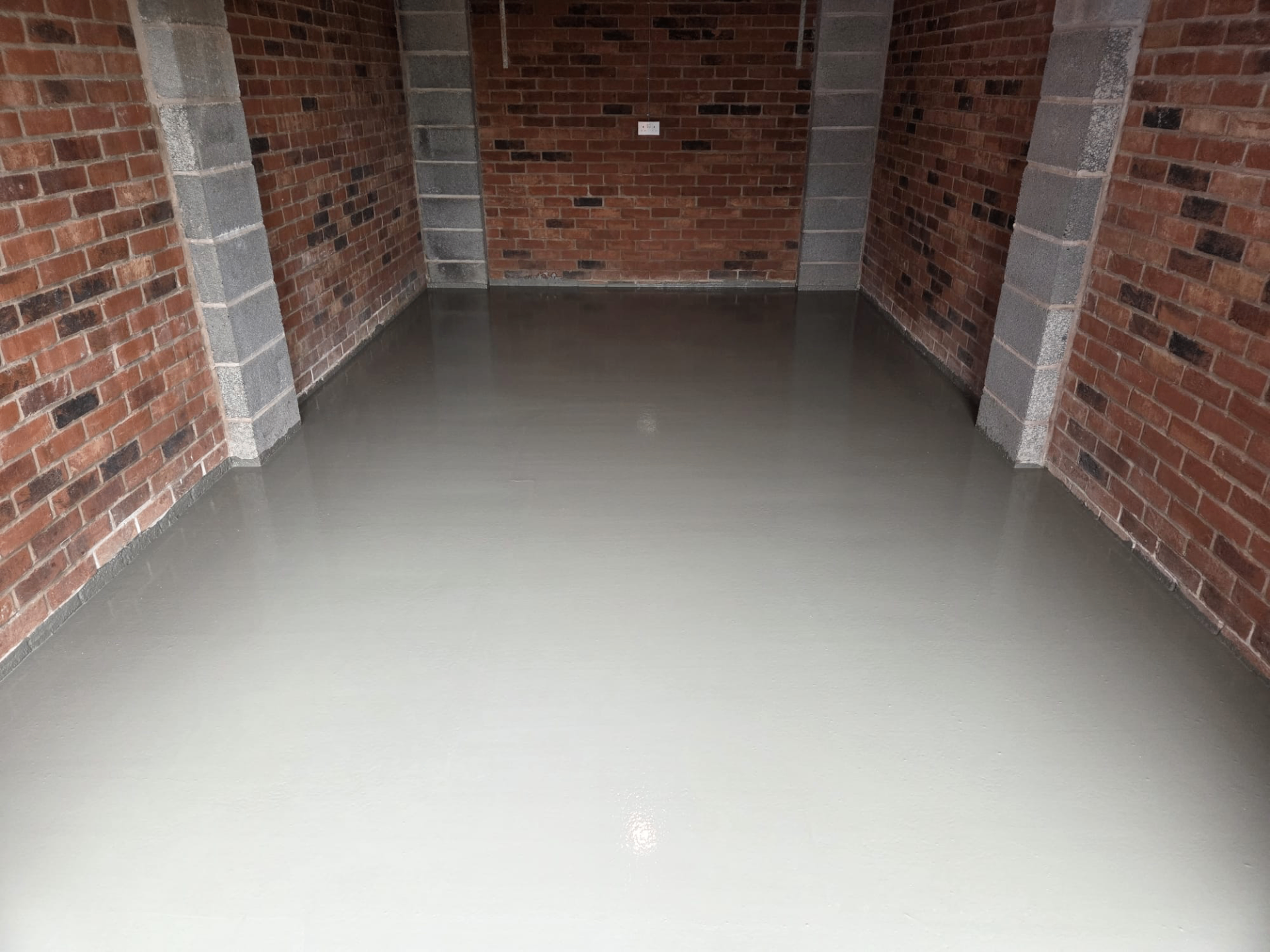
The two options side by side
Patch repair suits you when…
- Failure is confined to a small, clearly bounded area
- Cause was a one-off (impact damage, a leak) not systemic
- Rest of the floor sounds solid and tests dry
- Budget and downtime need to stay minimal
Full rescreed suits you when…
- Failure is widespread or in multiple locations
- Root cause affects the whole floor (drying regime, mix design, DPM)
- You're changing floor covering or heating design anyway
- You want a single warranty covering the whole floor
How we make the call on site
- 1
Sound the whole floor
Not just the visibly damaged area — hollow spots elsewhere change the recommendation.
- 2
Identify the cause
Impact damage points to a patch; a drying, mix or DPM issue points to something systemic.
- 3
Check depth and cover
A patch has to match the existing screed depth and any UFH cover depth exactly.
- 4
Model the disruption either way
We compare programme and access disruption for both options honestly, not just cost.
- 5
Recommend, then let you decide
We'll give a clear recommendation but the choice, cost trade-off included, is yours.
Cost and disruption comparison
| Factor | Typical difference |
|---|---|
| Material and labour cost | Patch is cheaper per job, full rescreed cheaper per m² |
| Downtime | Patch: days; full rescreed: full drying programme |
| Risk of recurrence | Patch carries risk if cause wasn't fully addressed |
| Warranty scope | Full rescreed gives one consistent warranty across the floor |
Get an honest patch-vs-rescreed recommendation
Send photos and a brief description of the damage and we'll give you a clear view before you commit to either option.
Or call our landline on 01392 237700
If we can't be confident the rest of the floor is sound, we won't recommend a patch just because it's cheaper. A patch on top of a hidden problem just delays the real fix.
— Exeter Liquid Screeders
Patch vs Full Rescreed — questions we get asked
Keep reading across the site
Get an honest patch-vs-rescreed recommendation
Send photos and a brief description of the damage and we'll give you a clear view before you commit to either option.