Depth & UFH protection
Screed Failed to Achieve Minimum Cover Depth
Cover depth isn't a nice-to-have figure on a datasheet — it's what stops pipes fracturing and floors cracking under load.
Get a cover depth check before you cover the floor
Name, phone, email — we'll reply the same working day with a fixed price.
Or call our landline on 01392 237700
Every liquid screed has a minimum cover depth: the thickness of screed required above the top of the UFH pipe, mesh or insulation to give it enough strength and thermal mass to perform. Cemfloor typically needs 30mm bonded cover; anhydrite needs a little more. When a pour comes in thinner than that in places, the floor is weaker than it's supposed to be exactly where it matters most.
This usually shows up after the fact — either a client asks us to check depth against the drawings before flooring goes down, or cracking appears later and a core sample reveals the pour was thin in that spot.
Cover depth failures are almost always down to insulation that's shifted, a laser level set wrong on one section of the pour, or a floor build-up that was tighter than the screed spec allowed for. None of that is unfixable, but it needs identifying before, not after, the floor covering goes down.
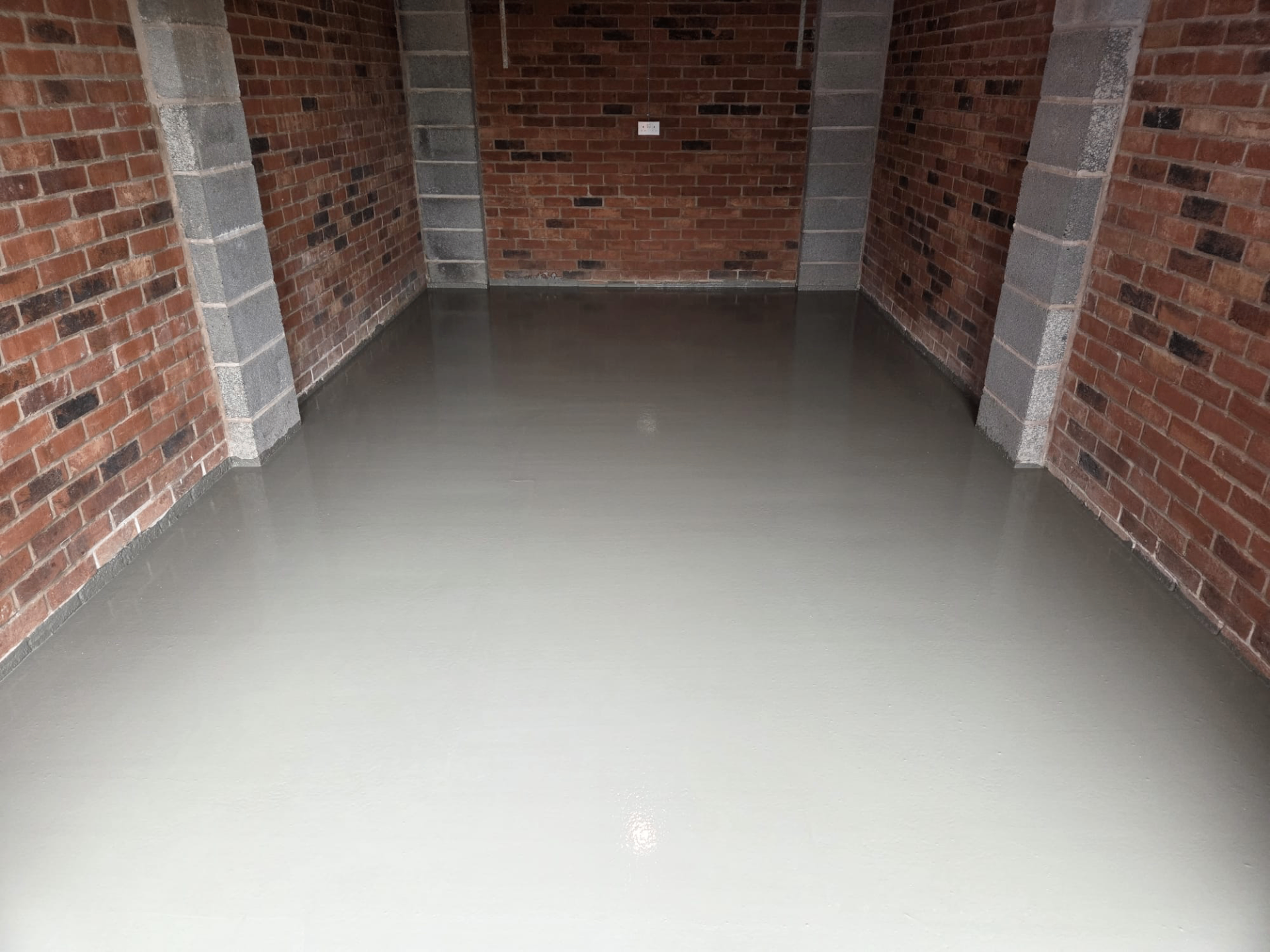
Typical minimum cover requirements
| Screed type | Min. cover over UFH pipe |
|---|---|
| Cemfloor (bonded) | 30mm |
| Cemfloor (unbonded/floating) | 35–40mm |
| Anhydrite (Gyvlon/Gypsol) | 30–35mm |
| Screed over reinforcement mesh | 20–25mm above mesh |
Common causes of thin cover
- Insulation boards not fully flat or shifted during the pour
- Laser level reset or knocked partway through a large pour
- Pipe clipped too high on the insulation before the pour
- Site brief specifying a total build-up too tight for the screed's own minimum
- Screw fixings or perimeter upstands pushing pipe upward locally
How we assess it
- 1
Core sampling
We take core samples at representative points to measure actual depth over pipe or mesh against what was specified.
- 2
Risk classification
A minor, localised shortfall of a few millimetres is usually low risk; a widespread shortfall of 10mm+ is a structural and thermal concern.
- 3
Decide the remediation route
Options range from a levelling topping coat to increase cover, through to localised grind-out and re-pour, depending on severity and what's above it.
- 4
Document before covering
We record depth findings and the remediation carried out, which matters for warranty and future reference.
Get a cover depth check before you cover the floor
A quick core survey now can save a very expensive remediation later. We'll check, report and quote any fix required.
Or call our landline on 01392 237700
Once tile or timber is down, cover depth is very expensive to fix. A core sample now costs almost nothing compared to lifting a finished floor later.
— Exeter Liquid Screeders
Screed Failed Cover Depth — questions we get asked
Keep reading across the site
Get a cover depth check before you cover the floor
A quick core survey now can save a very expensive remediation later. We'll check, report and quote any fix required.