
Building type: nurseries
Floor performance requirements in nurseries and early-years rooms
Nurseries need warm, hygienic floors that can be cleaned frequently and are fully cured and finish-compatible before very young children occupy the space.
Early-years rooms put young children directly on the floor for much of the day, so warmth underfoot, ease of cleaning and a hygienic, joint-free surface matter more here than in most other building types.
Because these are spaces for very young children, there is little tolerance for a floor build-up that hasn't fully dried or off-gassed before occupation, which affects both screed choice and programme planning.
Warmth and hygiene at floor level
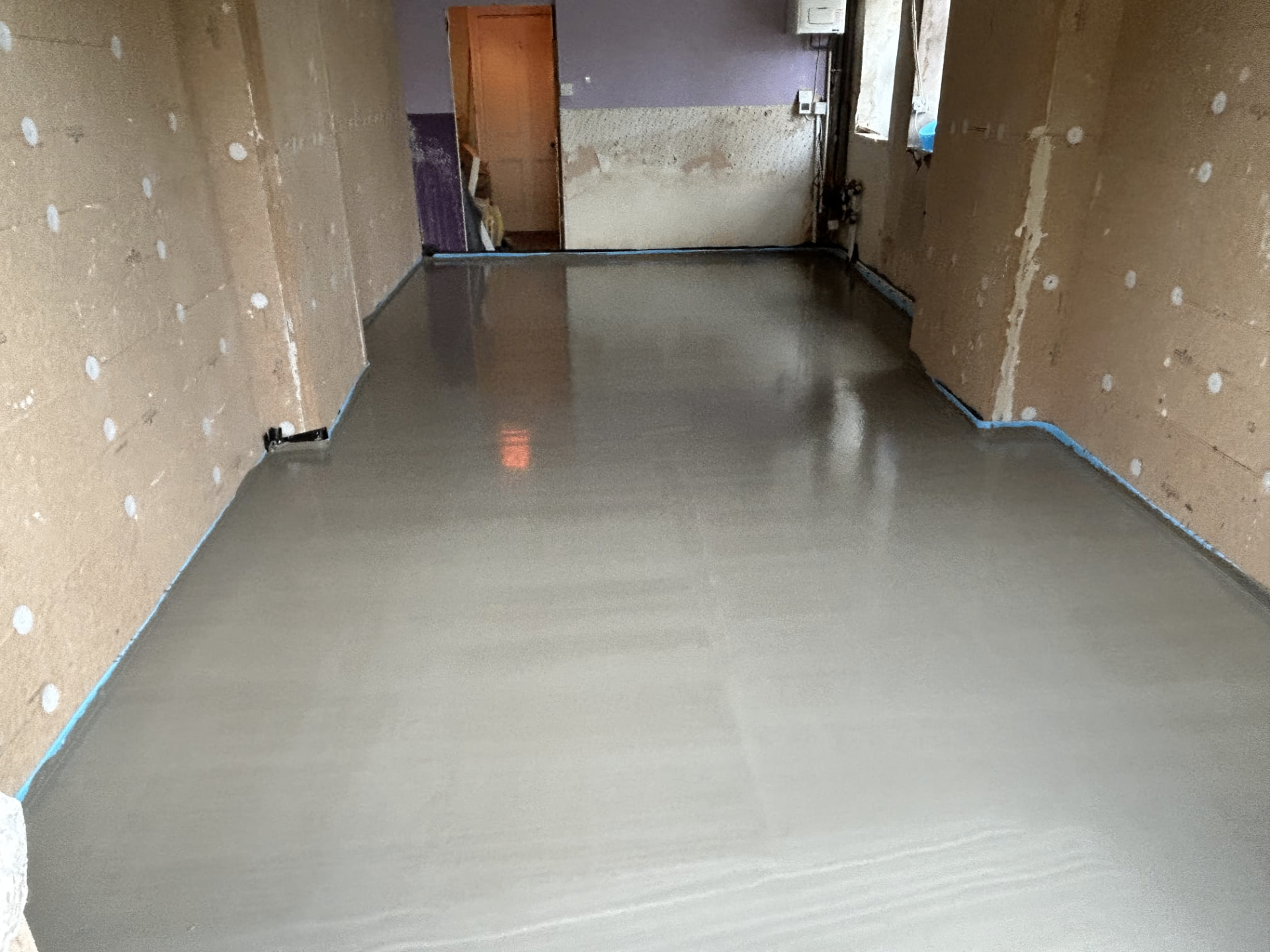
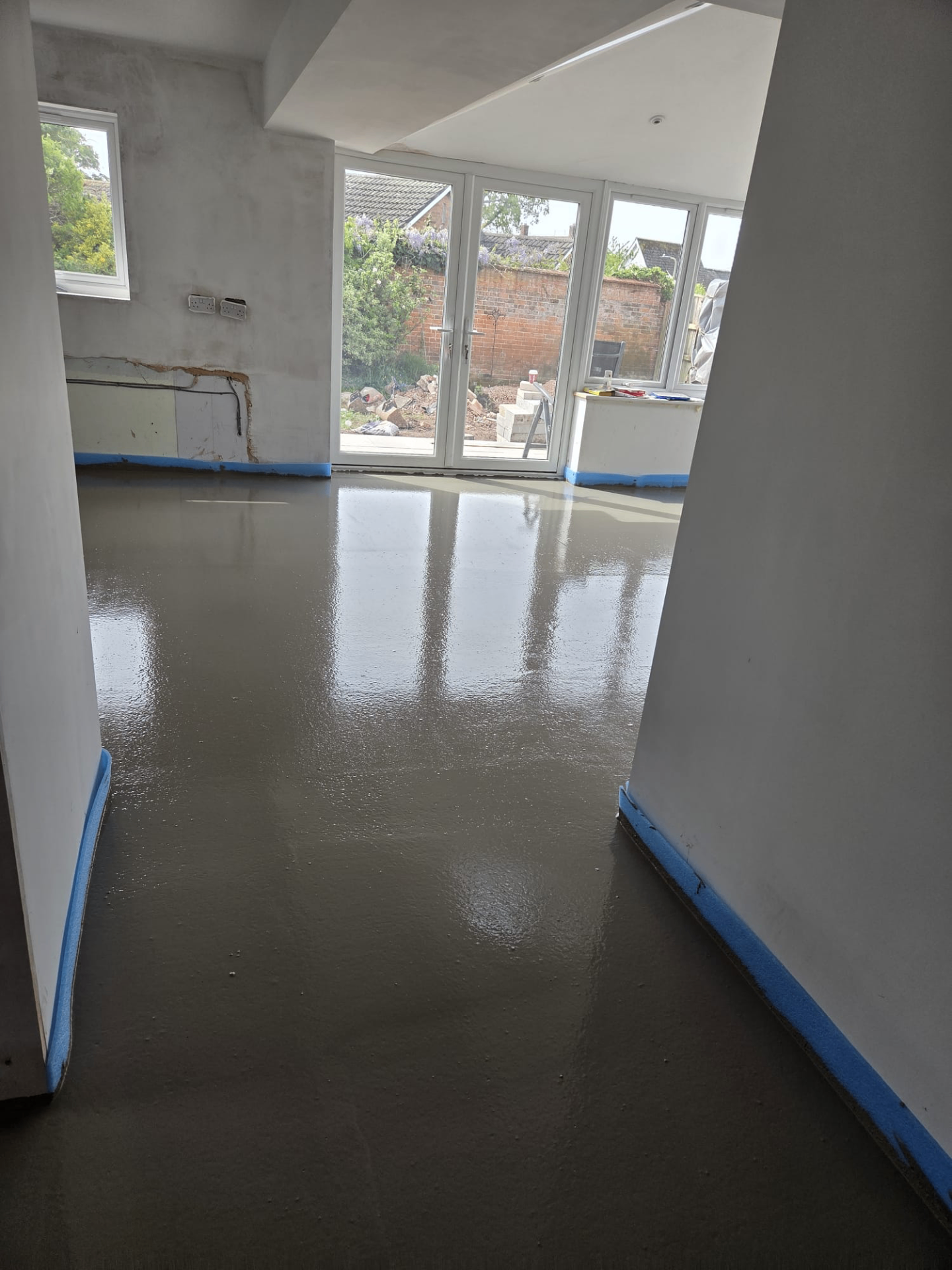
With children spending much of their day sitting or lying directly on the floor, an evenly warm surface delivered through underfloor heating in a liquid screed removes the discomfort of a cold floor without introducing surface-mounted heating elements that could pose a hazard.
A flat, well-finished screed also supports a continuous, welded sheet floor finish, minimising the seams and joints where dirt and spilled liquids could otherwise accumulate in a setting with frequent cleaning routines.
Programme and pre-occupation checks
Given the sensitivity of the end use, drying time and moisture testing before laying the final finish are treated conservatively, with enough time allowed in the programme to confirm the screed and finish are both ready before children occupy the room.
Nurseries & early-years rooms — the points that decide it
Fitting out an early-years setting?
Talk to us about a warm, hygienic floor build-up and a realistic programme before opening.
Or call our landline on 01392 237700
Nurseries & early-years rooms — your questions
In short
Nurseries need warm, hygienic floors that can be cleaned frequently and are fully cured and finish-compatible before very young children occupy the space.
Fitting out an early-years setting?
Talk to us about a warm, hygienic floor build-up and a realistic programme before opening.