
Estuary-side logistics
Coastal-strip pour scheduling around Starcross
Starcross sites often sit on a narrow band of land between the main road and the railway line, which limits where a pump and mixer can stand and how long they can dwell there.
Starcross runs along a strip of the Exe estuary shoreline where properties and the road are squeezed between the water and the railway embankment. On a lot of sites here there is very little spare ground beyond the building footprint itself, which means the space available for a screed pump, a mixer or a waiting delivery vehicle is genuinely limited rather than just inconvenient.
That constraint shapes how a pour gets scheduled. Rather than a single wagon standing for the full duration of a pour, larger jobs sometimes need material brought in as staged deliveries, with each load discharged and the vehicle moved on before the next arrives, so the road frontage is not blocked for hours at a stretch.
Timing windows can also be tighter than on a typical suburban street, since a vehicle parked awkwardly on a narrow coastal road affects both passing traffic and, depending on exact position, sightlines near the railway crossing points in the village. None of this rules out a pour — it just means the standing arrangement needs agreeing before the date is fixed, not worked out on the morning.
Reference points for starcross
| Typical standing space | Road frontage only, no verge/apron on many plots |
|---|---|
| Delivery approach for larger pours | Staged loads rather than single long stand |
| Standing position | Agreed in advance, confirmed at survey |
Starcross — the points that decide it
- Land between road and railway leaves little spare space for vehicles
- Staged deliveries can replace a single long-standing wagon on bigger pours
- Standing time on the road frontage should be minimised and pre-agreed
- Narrow coastal roads affect both traffic flow and pedestrian sightlines
- Loading and discharge points need identifying before the pour date is set
- Tide and weather on the estuary can influence site conditions on the day
- Communicating the exact standing window to the household helps them plan around a live road frontage
- Alternative parking for residents or visitors may need arranging where the wagon occupies the only nearby space
- Boat, fishing or leisure traffic linked to the estuary can add its own busy periods worth checking
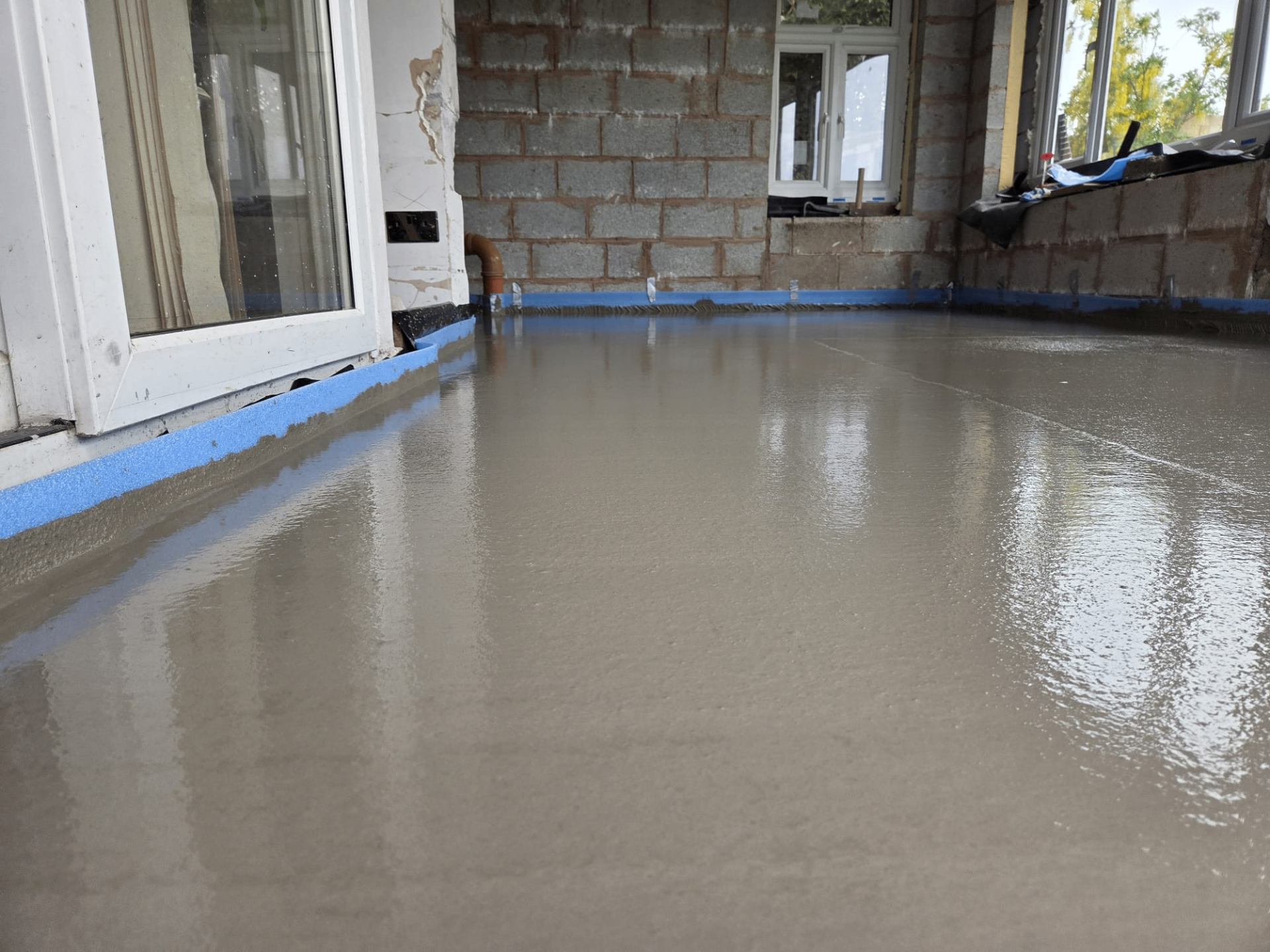
Working within a narrow footprint
Where a property sits directly on the strip between the road and the rail line, there is often no verge, driveway apron or forecourt to use as a standing or loading area. The pump and any support vehicle effectively have to work from the carriageway itself, which narrows the practical options for vehicle size and positioning.
This is worth establishing at survey stage rather than assumed from a site address, since the exact width of usable space varies from plot to plot even within a short stretch of the village.
Staging deliveries instead of one long stand
On larger pours that would normally need one mixer standing throughout, a constrained frontage can make staged deliveries the more practical approach: each load arrives, discharges, and clears the space before the next is called forward. This keeps the standing time per vehicle short, at the cost of needing tighter coordination on delivery timing.
Getting this right depends on the pour rate matching delivery intervals reasonably closely, so the crew is neither stood waiting for material nor receiving a load faster than it can be placed.
Short discharge windows on a live road
A vehicle standing on a narrow coastal road affects passing traffic more noticeably than the same vehicle on a wider residential street, and depending on position it can also affect visibility near level crossing points used in the village. Agreeing a discharge window and standing position in advance, rather than improvising on the day, reduces the risk of the pour being interrupted or the vehicle having to move mid-discharge.
Weather and tide conditions on the estuary edge are also worth factoring into scheduling, since exposed conditions can affect both vehicle access and general working comfort on an open frontage.
Coordinating with the estuary's other regular users
Beyond the road and railway, Starcross sees regular boat, fishing and leisure traffic linked to the estuary, and some properties share access with paths or slipways used by other residents and visitors. Checking whether a planned pour date coincides with any known busy period for these other uses helps avoid the wagon's standing time clashing with activity the household did not think to mention.
This is worth raising at survey alongside the more obvious road and rail constraints, since a plot's day-to-day pattern of use is not always visible from a single site visit and is better confirmed directly with the people living there.
Keeping the household in the loop
Because the pump or mixer is working directly off the road rather than tucked away on a driveway, neighbours and the household itself are more likely to notice the vehicle and its standing time than on a typical suburban job. Sharing a realistic window for when the vehicle will arrive, stand and clear helps the property owner plan around it, particularly if they need to move their own car or expect visitors during that period.
Where the only reasonably close parking is the space the wagon will occupy, it is worth raising this early so residents can arrange alternative parking rather than finding the spot unexpectedly unavailable on the day.
Booking a pour on the Starcross shoreline strip
Let us know the exact plot position relative to the road and rail line, and we can plan standing space, delivery timing and a realistic arrival window accordingly.
Or call our landline on 01392 237700
In short
Starcross sites often sit on a narrow band of land between the main road and the railway line, which limits where a pump and mixer can stand and how long they can dwell there.
Starcross — your questions
Booking a pour on the Starcross shoreline strip
Let us know the exact plot position relative to the road and rail line, and we can plan standing space, delivery timing and a realistic arrival window accordingly.